Introduction
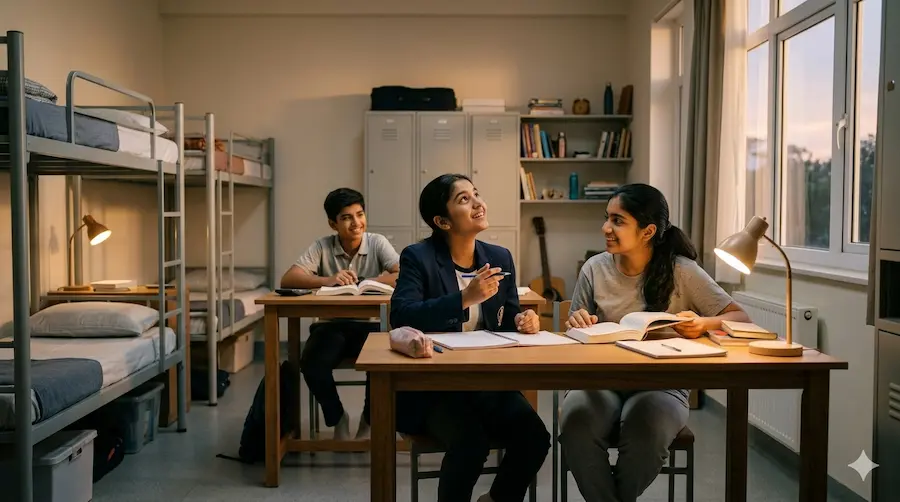 When parents think about boarding schools, the first concern is always the same.
“How will my child live without us?”
That question is valid. Because hostel life is not just about staying in a room. It is where a child learns independence, discipline, and emotional strength.
But here’s the reality most blogs don’t tell you.
Not all hostel experiences are the same.
This guide will give a clear, practical understanding of hostel life so that parents can evaluate schools properly.
(Also read: Life Inside a Boarding School Campus – for full campus overview)
What Hostel Life Actually Means
Hostel life is the core of boarding school experience.
It is where children:
- Wake up
- Sleep
- Study after school
- Build friendships
- Learn to manage themselves
In simple terms, it replaces home.
That’s why choosing the right hostel environment is more important than choosing the school building.
Types of Hostel Rooms (What Schools Don’t Clearly Explain)
Most schools use terms like “well-furnished hostel” but don’t give real clarity.
Here’s what parents should understand.
1. Dormitory Style (6–12 students)
- Common for junior classes
- More supervision
- Less privacy
Good for:
- Younger children (Class 3–6)
2. Shared Rooms (2–4 students)
- Balanced setup
- Better comfort + social interaction
Best option for most students.
3. Single Rooms (rare)
- Mostly for senior classes
- High independence
- Expensive
Not ideal for children who need supervision.
What Makes a Good Hostel Room (Checklist)
Don’t just look at furniture. Look at functionality.
Must-check points:
- Proper ventilation and sunlight
- Clean toilets (ratio matters: 1:4 or better)
- Storage space (locker or cupboard)
- Study table availability
- Noise level control
Real example:
A well-known school had premium infrastructure but poor ventilation. Students struggled despite high fees.
Role of House Parents (Most Underrated Factor)
Parents focus on buildings. But the real impact comes from people.
Who are house parents?
- Adults living with students
- Responsible for discipline, care, and support
Why they matter
They act as:
- Guardian
- Counselor
- Problem solver
What parents should ask
- Ratio of staff to students
- Experience level
- Gender-specific wardens
A caring house parent can completely change a child’s experience.
Daily Life Inside Hostel
Let’s break the actual flow beyond school hours.
Evening Routine
- Return from classes
- Snacks / rest
- Sports or activities
- Supervised study (prep time)
Night Routine
- Dinner
- Light interaction
- Personal time
- Lights off (fixed timing)
This structure builds consistency.
Food and Nutrition (Biggest Hidden Issue)
Most schools say “nutritious food provided.”
But parents should go deeper.
What to check:
- Weekly menu plan
- Variety (veg/non-veg options)
- Hygiene of kitchen
- Student feedback
Common issues in weak schools:
- Repetitive meals
- Poor taste → children skip meals
- Low protein intake
Practical tip:
During visit, try the food. Don’t rely on brochures.
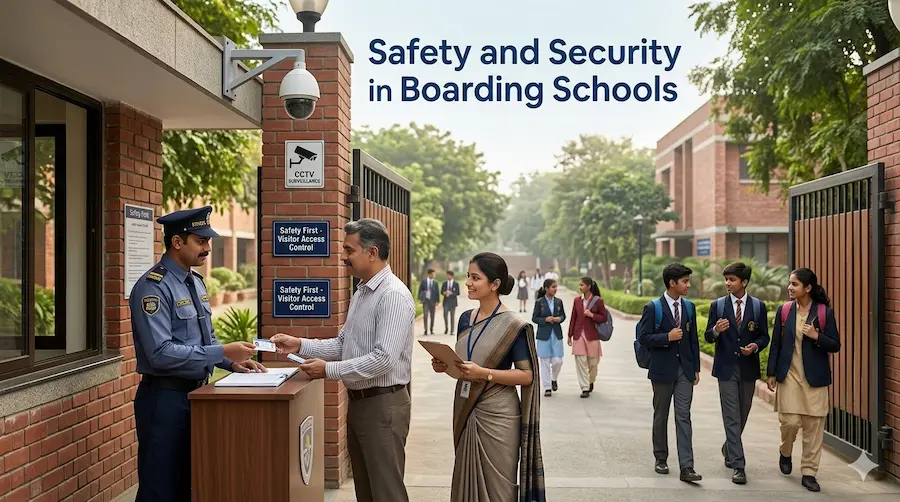
Safety Inside Hostel
Safety is not just about gates.
It’s about daily supervision.
Key safety elements:
- Night supervision (warden availability)
- Attendance checks
- Restricted access areas
- CCTV in common areas (not rooms)
Red flag:
If a school avoids showing hostel areas during visit.
(Also read: Safety and Security in Boarding Schools – detailed guide)
Emotional Adjustment: The Real Challenge
This is where most parents underestimate the situation.
What children face initially:
- Homesickness
- Anxiety
- Difficulty adjusting with strangers
How good schools handle it:
- Gradual routine
- Emotional support from staff
- Encouraging peer bonding
What parents should do:
- Avoid daily calls initially
- Encourage independence
- Stay calm even if child complains
Real scenario:
Children often ask to come back in first month. Most adjust well after 6–8 weeks.
Benefits of Hostel Life (Long-Term View)
Once adjusted, children gain:
- Strong independence
- Time discipline
- Social confidence
- Decision-making ability
This is why many successful professionals come from boarding backgrounds.
Common Mistakes Parents Make
Avoid these:
- Choosing hostel based only on photos
- Ignoring student reviews
- Not checking washrooms and hygiene
- Expecting instant comfort for child
- Over-calling child (increases homesickness)
How to Evaluate Hostel During School Visit
Do this practically:
- Visit during active hours (not empty campus)
- Check washrooms personally
- Observe student behavior
- Talk to at least 2–3 students
- Ask about daily routine honestly
This gives real clarity.
How This Connects to Overall Campus Life
Hostel is just one part of the bigger picture.
To fully understand boarding school life, also explore:
- Daily routine structure
- Safety systems
- Sports and activities
(Read: Life Inside a Boarding School Campus – parent guide)
FAQs
1. Is hostel life safe for children?
Yes, if the school has proper supervision, wardens, and safety systems.
2. What is the best room type for students?
Shared rooms (2–4 students) are ideal for most children.
3. How do children manage homesickness?
With time, support from staff, and peer bonding.
4. Can parents visit hostels anytime?
Most schools have fixed visiting schedules.
5. What should parents check during visit?
Rooms, toilets, food, staff behavior, and student feedback.
6. Is hostel life good for introverted children?
Yes, it gradually improves confidence and social skills.

Comments (0)
Leave a Comment