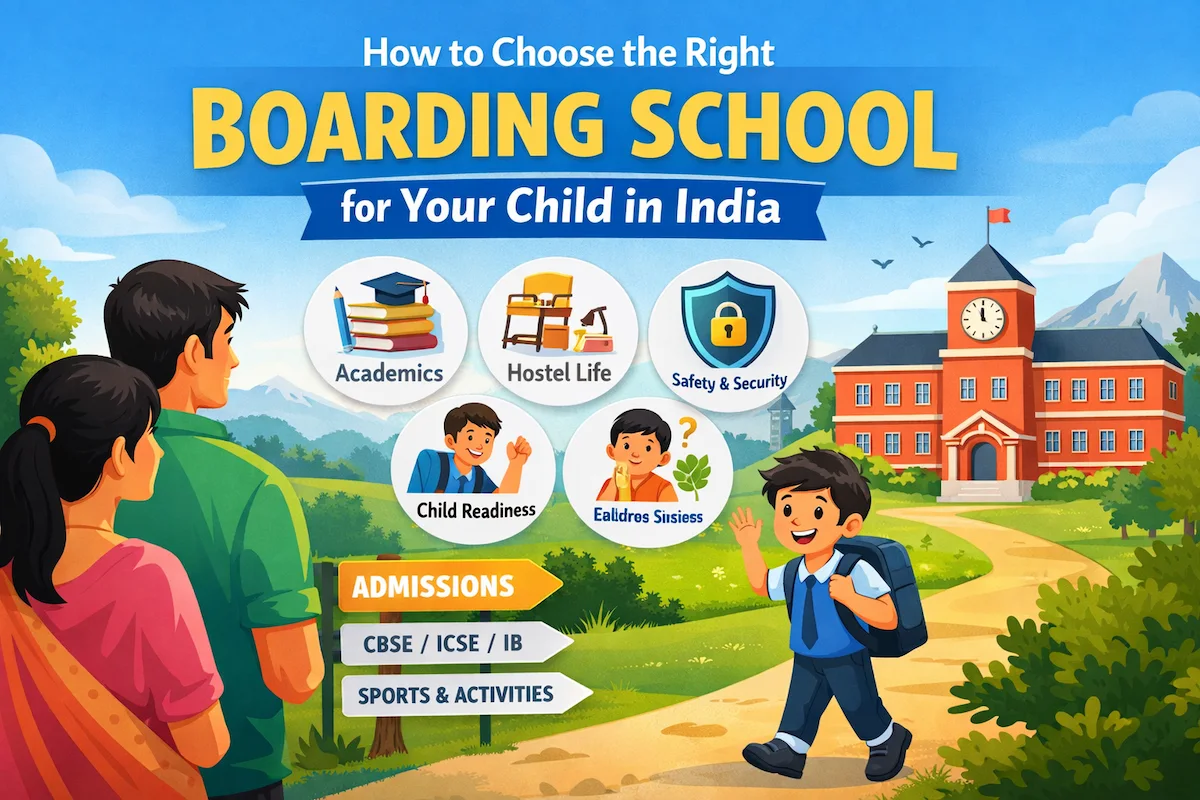
Choosing a boarding school for a child is one of the most important decisions for parents. It is not only about studies, but also about safety, discipline, emotional growth and long-term development. With so many boarding schools and education boards in India, parents often feel confused.
This guide is written to help parents clearly understand how to choose the right boarding school in India based on academics, child readiness, curriculum, and future goals.
A boarding school becomes a child’s second home. Children live, study, play and grow within the campus. A good boarding school helps children become independent, confident and disciplined, while also supporting them emotionally.
Every child is different. Some children adjust quickly to hostel life, while others need more emotional support. Before shortlisting schools, parents should honestly assess whether their child is ready to stay away from home.
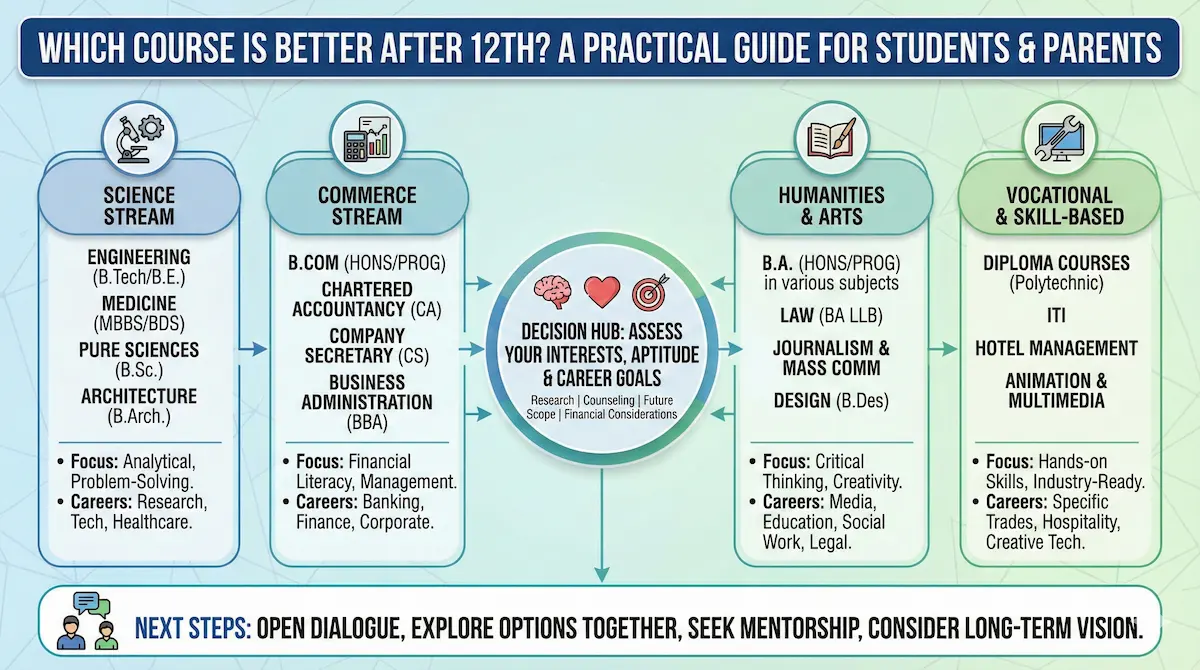
Parents planning early education decisions can also refer to: Top Career Options After Class 12 in India .
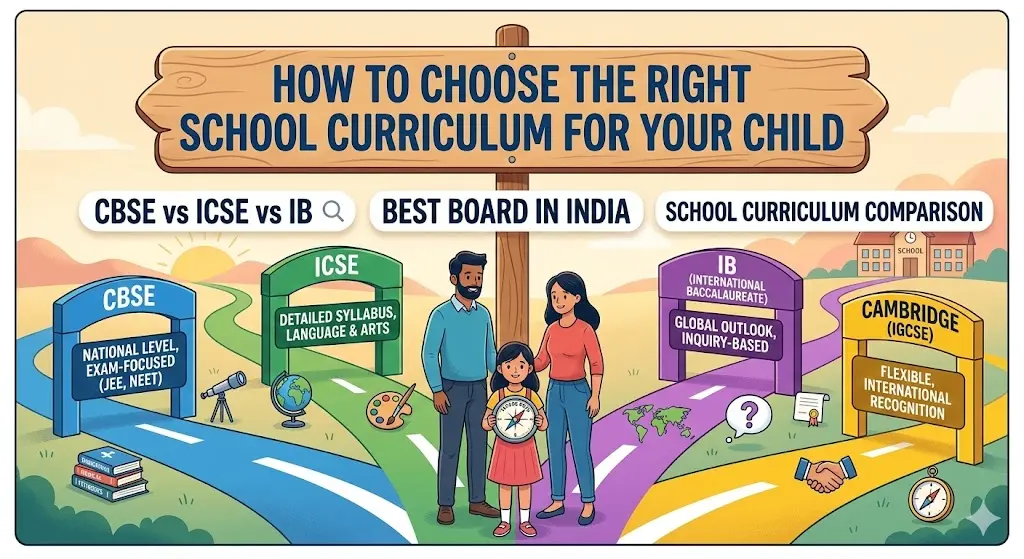
The school curriculum plays a major role in shaping academic direction. Most boarding schools in India offer CBSE, ICSE, IB or IGCSE boards. Each board has its own teaching style and focus.
If you are confused about which board suits your child, this detailed comparison will help: CBSE vs ICSE vs IB: Which Board Is Better for Your Child .
Parents planning international education should also read: ICSE vs IB Board: Which Is Better for Global Exposure .
Many parents want to know whether a school board supports preparation for competitive exams like JEE, NEET or other entrance tests. Not all boards focus equally on exam-oriented learning.
This guide explains it clearly: Which Board Is Best for Competitive Exams .
Good board results are important, but parents should also check teacher experience, student–teacher ratio, classroom methods, doubt-clearing systems and academic support for average students.
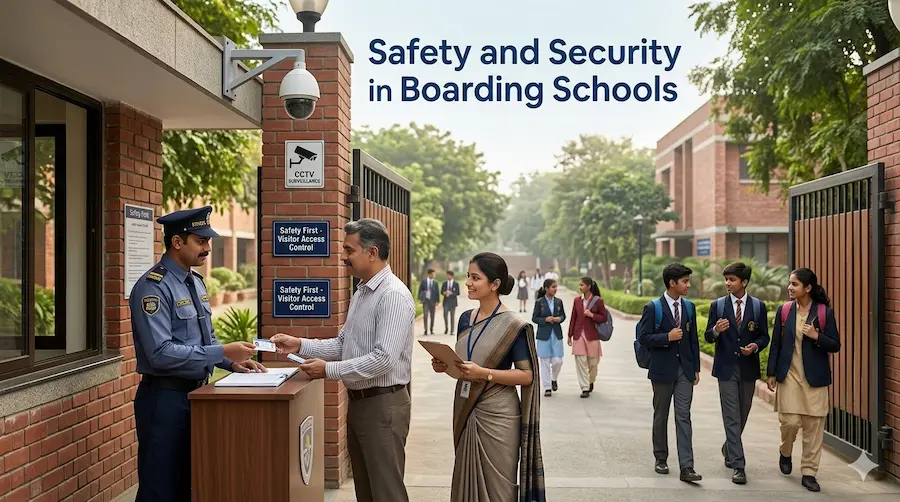
Since children live on campus, hostel safety is critical. Parents should check cleanliness, supervision, medical support, security systems and emergency procedures.
Boarding schools follow structured daily routines that help children develop discipline and time management. The routine should be balanced, not stressful.
Sports, arts, music, debate and clubs play a key role in overall development. These activities help children stay active, confident and emotionally balanced.
Homesickness is common in the first year. Schools with counsellors, mentors and caring house parents help children adjust smoothly.
Hill stations like Dehradun and Mussoorie are popular because of their calm environment and fewer distractions, while city schools offer exposure and connectivity.
Parents should clearly understand fee structure, inclusions, extra costs and scholarship options before finalising a school.
A campus visit gives real clarity. Parents should observe student behaviour, hostel conditions and teacher interaction.
Choosing the right boarding school is not about brand names. It is about finding a place where a child feels safe, supported and motivated to grow. With careful planning and the right information, parents can make a confident decision.
Most children adjust well between Classes 5 and 8, but readiness depends on maturity and independence.
Yes. Structured routines and focused learning environments often improve academic discipline.
Yes. With proper mentoring, introvert children often gain confidence in boarding schools.
Most boarding schools open admissions between October and December. Early planning is recommended.

Comments (0)
Leave a Comment